As industrial sectors embrace digitalisation, their exposure to cyber threats grows dramatically. Whether you’re in mechanical engineering, property development, biomedical research, or logistics, the convergence of operational and digital systems has opened up critical vulnerabilities across your value chain.
From ransomware disrupting factory floors to supply chain breaches affecting just-in-time delivery, today’s cyber threats are not just an IT issue—they are a core business risk.
A Rising Threat Landscape in Singapore
Singapore experienced over 21.9 million cyberattacks originating from compromised servers in 2024, the highest in Southeast Asia. The country also ranked 8th globally as a source of cyber threats, moving up from 12th in 2022. While these figures highlight the intensity of external threat activity, local risks are also on the rise. Notably, local threats such as malware from removable media surged by 33.5%, with more than 2.2 million instances recorded between 2023 and 2024.
This dual-threat landscape, attacks both originating from and targeting within Singapore—poses a serious challenge to industries handling high-value data, especially those operating within or relying on Singapore’s extensive Tier 1 data centre infrastructure.
Why Operational Industries Face Escalating Cyber Risks
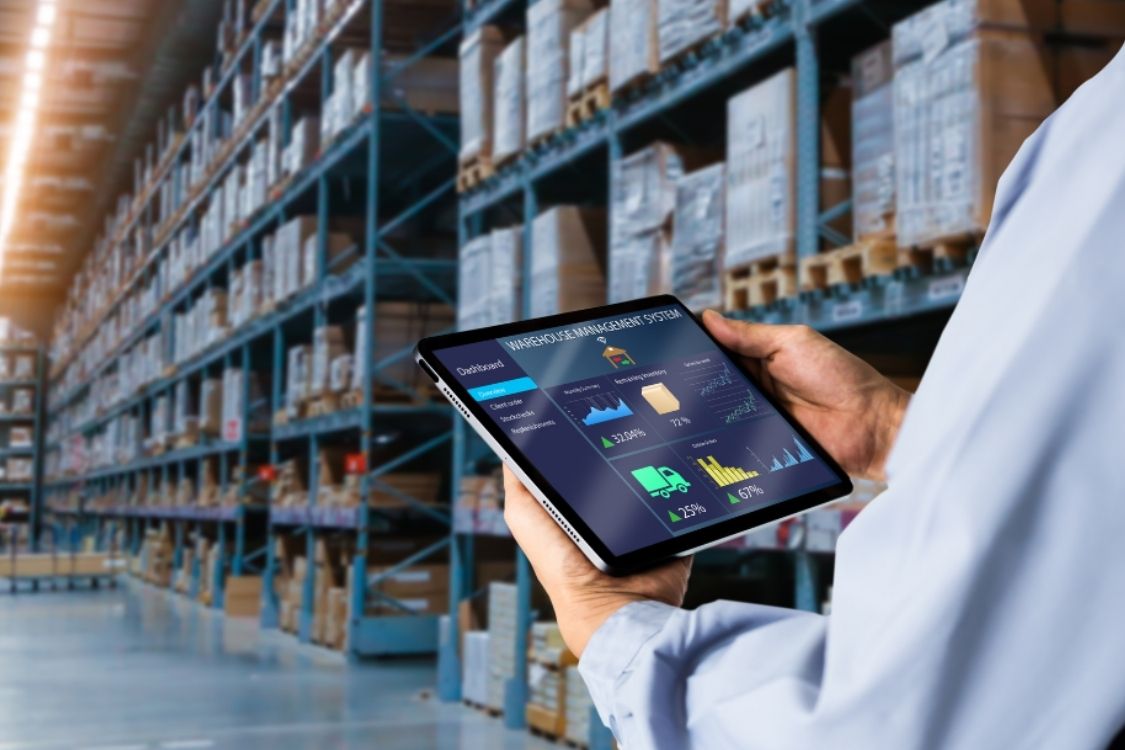
Sectors like manufacturing, logistics, car park operations, and smart buildings are increasingly reliant on a hybrid of Information Technology (IT) and Operational Technology (OT). This interconnectedness allows for automation, efficiency, and data-driven decision-making—but it also creates a wider attack surface.
Key contributing factors include:
- Legacy systems in industrial control environments (e.g. SCADA, PLCs) that were never designed with cybersecurity in mind
- Remote connectivity via IoT, AI, or cloud-based infrastructure that increases exposure to external threats
- Disparate cybersecurity maturity levels between IT and OT teams, often leading to security blind spots
Cybercriminals exploit this complexity, especially by using Singapore’s trusted tech infrastructure to amplify the impact of malware campaigns—often through tactics like spear-phishing, malware-laden USB drives, and ransomware infiltration.
Common Cyber Threats Targeting Critical Sectors
While attack methods continue to evolve, several consistent patterns have emerged across industries handling large volumes of sensitive operational and customer data:
1. Ransomware Halting Operations
Cybercriminal groups are increasingly targeting logistics hubs, biomedical labs, and manufacturing plants with ransomware attacks that can halt operations for days or even weeks. These attacks not only lead to revenue loss but also affect supply chain reliability and service-level commitments.
2. Third-Party Supply Chain Compromise
Businesses often rely on third-party logistics providers, facilities management companies, or subcontractors. Unfortunately, many of these vendors do not have enterprise-grade cybersecurity postures, making them easy targets for attackers to infiltrate your network through trusted access.
3. Data Theft and IP Leakage
Industries that manage proprietary data—such as R&D records in biomedical labs or system control data in smart buildings—are vulnerable to espionage-motivated attacks. Threat actors, including Advanced Persistent Threat (APT) groups like Stately Taurus, have been observed deploying stealthy malware through removable media and phishing to exfiltrate sensitive information.
4. Data Integrity Manipulation
Beyond data theft, attackers may attempt to manipulate operational parameters. For instance, changing temperature readings in a pharmaceutical cold chain or tampering with access control systems in a hotel can lead to regulatory compliance issues or physical safety risks.
Cross-Sector Impacts of a Breach
A successful cyberattack doesn’t just affect the immediate environment—it can trigger ripple effects across multiple stakeholders:
- Shipping & Logistics: Delays and route mismanagement can disrupt entire supply chains, affecting partners and customers alike.
- Biomedical Labs: Intellectual property loss or compromised research data can jeopardise years of investment and credibility.
- Smart Buildings and Hotels: Attacks on building automation systems, guest databases, or payment infrastructure can lead to service outages, reputational damage, and data privacy violations.
How Industry Leaders Can Build Resilience Against Cyber Threats
Cybersecurity must be treated as a strategic business function—not just an IT cost centre. Here are actionable steps for operational industries to strengthen their defence posture:
1. Unify IT and OT Cybersecurity Governance
Establish a central cybersecurity framework that addresses both digital and operational technologies. Adopt standards like NIST SP 800-82 and IEC 62443 for securing industrial environments.
2. Deploy Advanced Threat Detection Across Environments
Use AI-powered monitoring tools that can detect abnormal behaviours across hybrid IT/OT environments—such as unauthorised access attempts, suspicious command changes, or lateral movement between systems. Endpoint Detection and Response (EDR) solutions are particularly recommended for visibility across devices and networks.
3. Assess and Manage Third-Party Cyber Risk
Conduct regular audits of your suppliers, facilities partners, and service providers. Implement contractual cybersecurity requirements and consider tools that provide real-time scoring of vendor risk.
4. Tailor Penetration Testing for Operational Environments
Go beyond standard IT penetration testing. Choose security providers with expertise in stress-testing industrial networks, hardware-level vulnerabilities, and embedded systems.
5. Build a Cyber-Resilient Incident Response Plan
Develop playbooks specifically for operational disruptions (e.g., shutdown of production lines or access control hijacking). Use simulations or digital twins to model attack scenarios and train response teams in realistic conditions.
Stay Ahead with Cybersecurity Experts Who Understand Industrial Environments
At F12 Data, we understand the operational and reputational risks that today’s complex industries face. Our managed cybersecurity services are designed for high-stakes sectors where downtime isn’t just costly—it’s unacceptable.
We provide:
- Managed Detection and Response (MDR): 24/7 threat monitoring across IT and OT environments
- Penetration Testing Services: Realistic attack simulations targeting vulnerabilities in industrial and infrastructure systems
- IT Risk Management: Aligning your cybersecurity controls with operational needs and compliance demands
With deep sector knowledge across logistics, mechanical engineering, property development, biomedical labs, car park operations, and hospitality, F12 Data helps you identify blind spots, harden defences, and proactively manage risk.
Final Thought: In a High-Target Market, Cyber Resilience is a Business Imperative
Singapore’s growing prominence in the global digital economy makes it both a strategic asset and a prime target for cyberattacks. As threats intensify—both from within and outside the country—organisations must elevate cybersecurity from a technical function to a strategic priority.
By investing in the right expertise, tools, and response strategies, businesses can ensure operational continuity, stakeholder trust, and long-term resilience in a high-risk digital landscape.
Other Articles